Swimming in Pamukkale Travertines: What You Need to Know
One of the most common questions visitors ask about Pamukkale is: "Can you swim in the travertines?" The answer is both yes and no, depending on which part of Pamukkale you're visiting. Understanding the regulations is crucial for planning your visit and protecting these delicate natural formations.
Swimming is Prohibited on the White Travertine Terraces
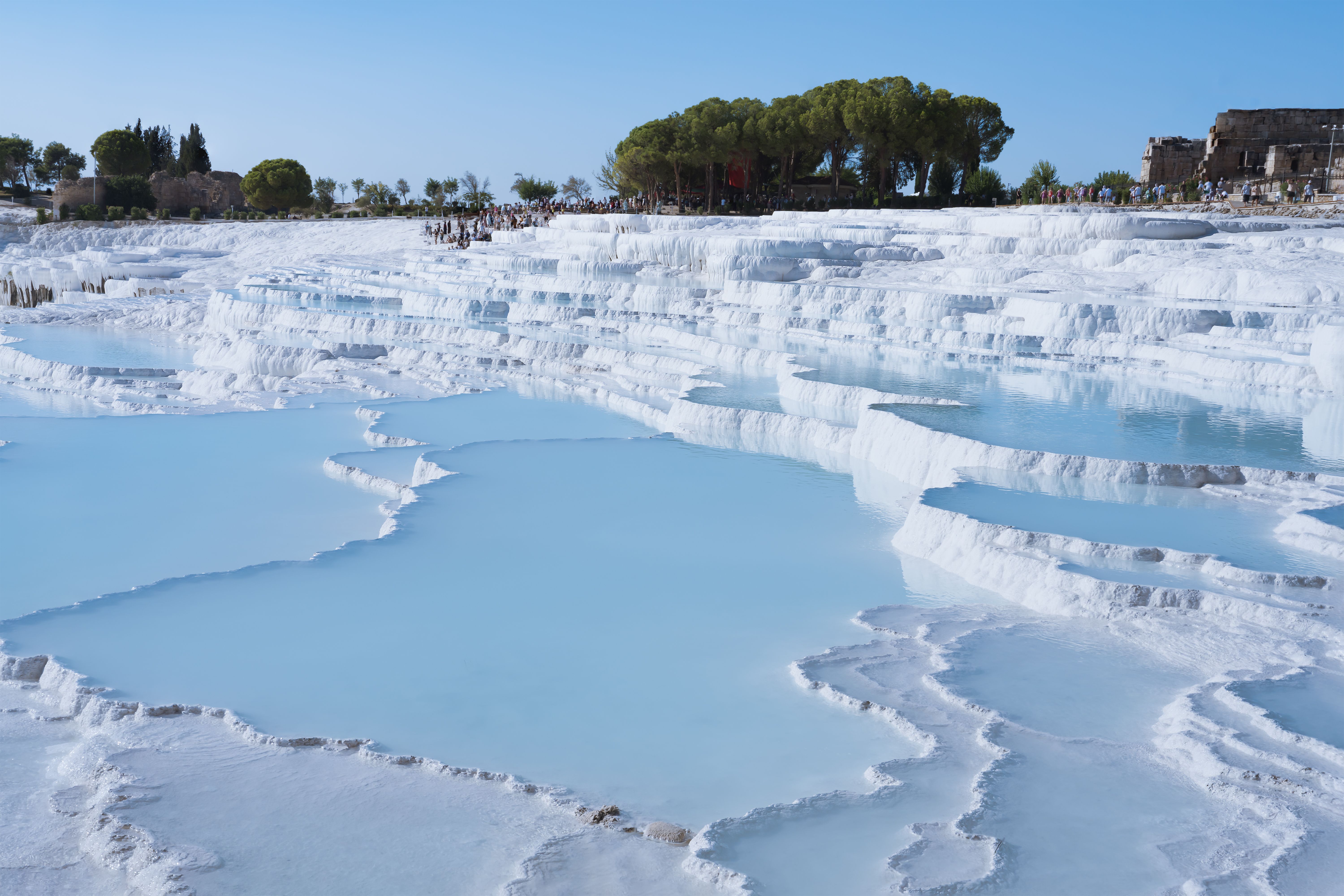
The iconic white travertine terraces that make Pamukkale famous are protected formations where swimming and walking with shoes is strictly prohibited. These terraces are incredibly delicate - they're formed by calcium carbonate deposits that have accumulated over thousands of years, and human activity can damage or discolor them permanently.
Visitors are required to walk barefoot on designated paths through the travertine pools. The shallow pools on the terraces are meant to be walked through, not swum in, and you'll see signs throughout the area reminding visitors of these important conservation rules.
Where You CAN Swim: The Antique Pool (Cleopatra's Pool)
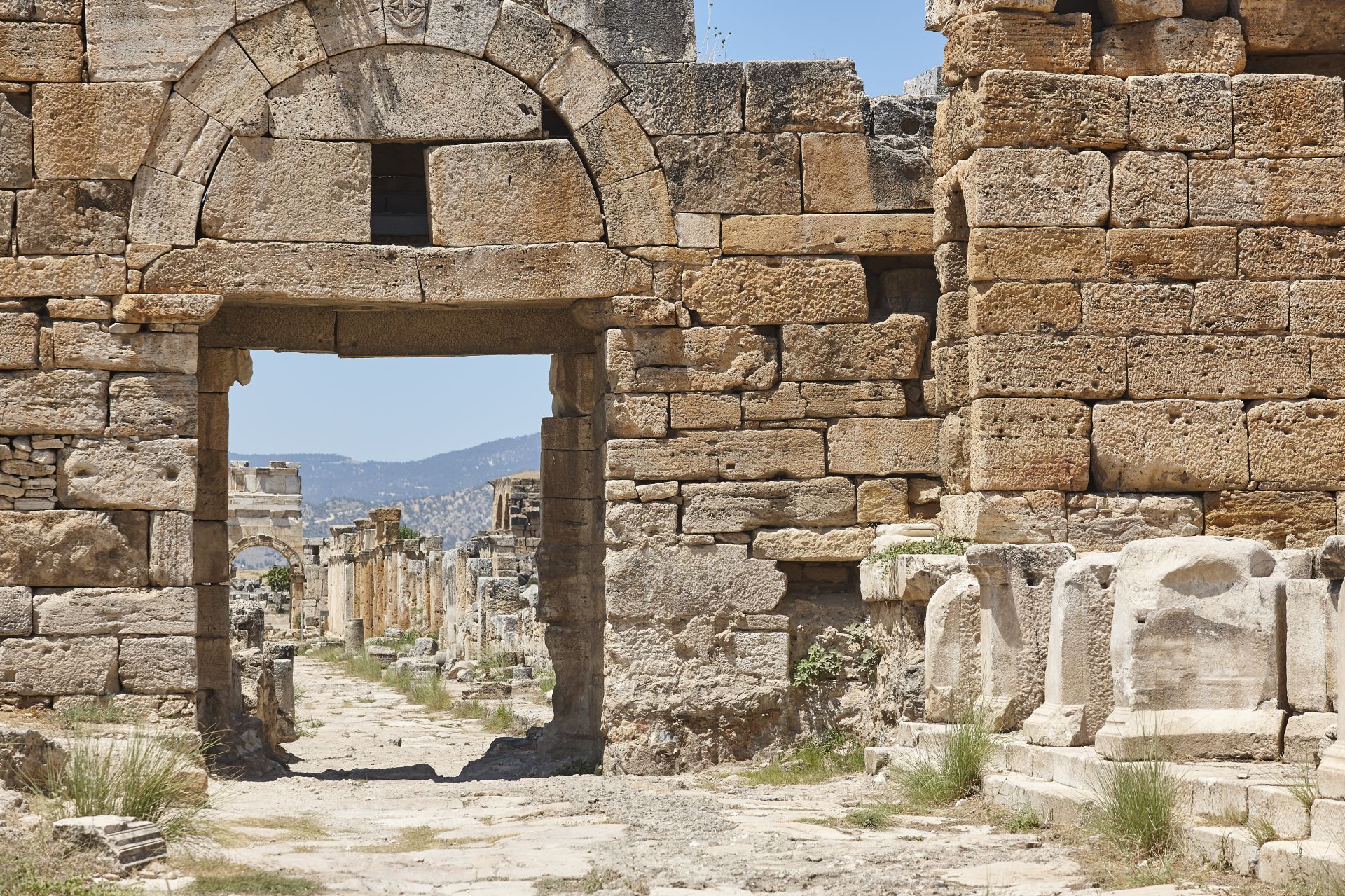
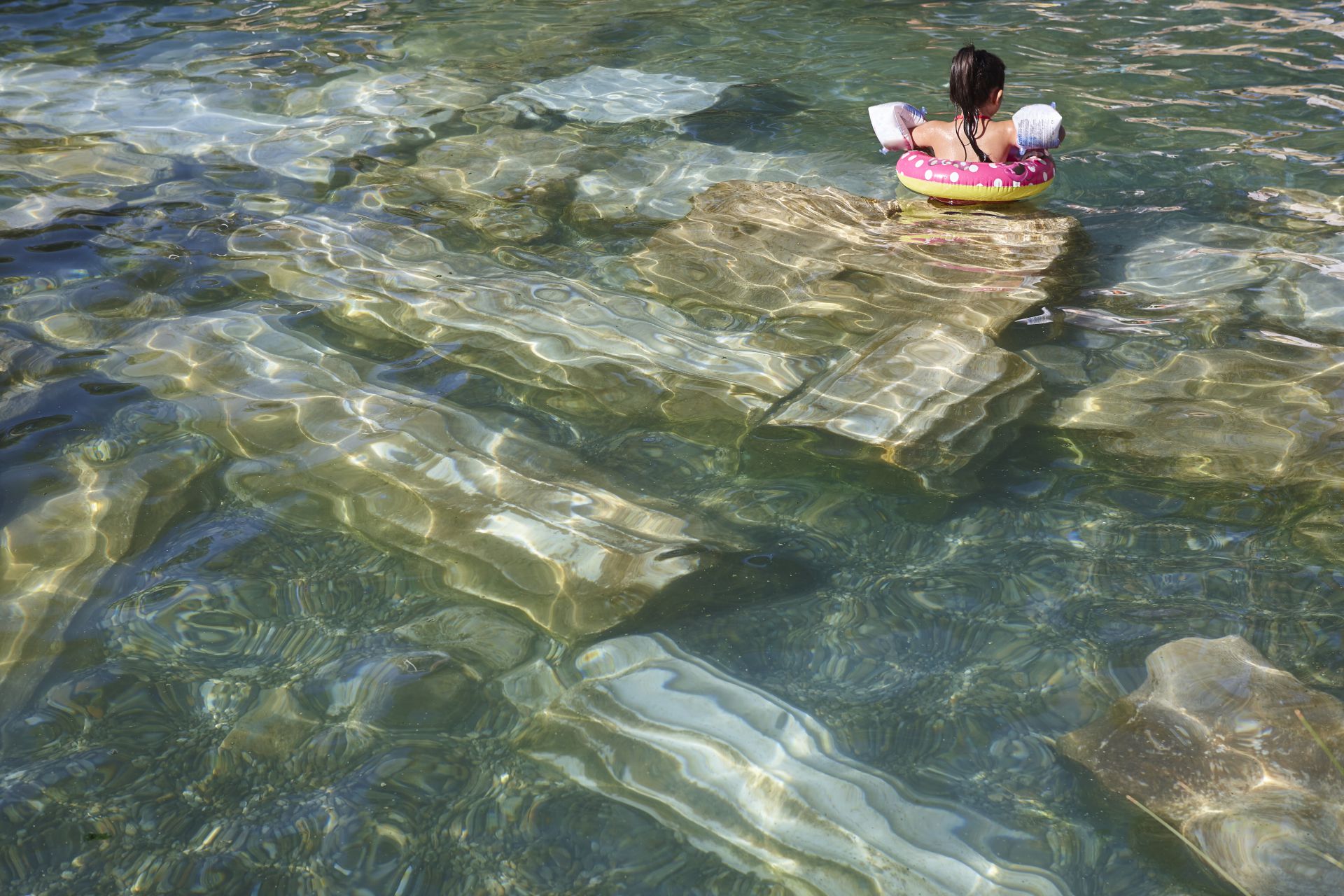
While swimming is not allowed on the natural travertine terraces, you absolutely can swim in the Antique Pool, also known as Cleopatra's Pool, located within the Hierapolis archaeological site. This is one of Pamukkale's most unique experiences.
The Antique Pool is a thermal pool filled with the same mineral-rich hot springs that created the travertines. What makes it extraordinary is that it contains submerged Roman columns and marble pieces from the ancient Temple of Apollo, which fell into the pool during an earthquake in the 7th century AD.
What Makes the Antique Pool Special
- Thermal Waters: The pool maintains a constant temperature of around 36°C (97°F), making it comfortable year-round.
- Mineral Benefits: Rich in calcium, magnesium, and bicarbonate, the waters are believed to have therapeutic properties.
- Historical Setting: Swimming among 2,000-year-old Roman ruins creates an unforgettable experience.
- Depth: The pool ranges from shallow areas (1.5 meters) to deeper sections (5 meters), suitable for all swimming levels.
Important Rules and Regulations
To protect both the travertines and ensure visitor safety, certain rules must be followed:
- No Swimming on Travertines: Only wading barefoot through shallow pools is permitted on the terraces.
- No Shoes: Shoes must be removed before walking on the travertine formations.
- Stay on Designated Paths: Straying from marked paths can damage the formations.
- No Soap or Shampoo: Chemicals are strictly prohibited in all water areas.
- Swimming in Antique Pool: Swimming is allowed in the designated Antique Pool area only.
- Time Limits: The Antique Pool may have time restrictions during peak hours.
Why These Rules Exist
These regulations exist for several important reasons:
- Conservation: The travertines are living formations that continue to grow. Physical damage from swimming or improper footwear can take decades or even centuries to repair naturally.
- UNESCO Protection: As a World Heritage Site, Pamukkale is subject to strict conservation guidelines.
- Water Quality: Limiting human activity in the travertine pools helps maintain water quality and clarity.
- Safety: The travertine surfaces can be slippery, and the water temperature varies in different pools.
Best Time to Visit for Swimming
The Antique Pool is open year-round, as the thermal waters maintain a comfortable temperature even in winter. However, for the best experience:
- Early Morning: Fewer crowds mean a more peaceful swimming experience.
- Off-Season: Visiting during spring or autumn offers better weather and smaller crowds.
- Weekdays: Weekends can be very busy, especially in summer.
What to Bring for Your Visit
When planning to swim in the Antique Pool:
- Swimsuit or swim trunks
- Waterproof camera or phone case
- Towel
- Change of clothes
- Water bottle
- Sandals or flip-flops for walking around the site
Experiencing the Thermal Waters
Even though you can't swim on the travertine terraces, walking barefoot through the shallow thermal pools is a unique experience in itself. The warm water (around 35°C) flowing over your feet, the stunning white landscape, and the panoramic views create memories that last a lifetime.
Conclusion
While you cannot swim directly in the white travertine terraces, you can absolutely enjoy swimming in the Antique Pool at Hierapolis. This unique thermal pool offers a one-of-a-kind experience where you can swim among ancient Roman ruins while benefiting from the same mineral-rich waters that created the famous travertines.
Remember: respecting the rules helps preserve this natural wonder for future generations. By following the guidelines, you contribute to the conservation of Pamukkale while still enjoying an unforgettable experience.
Ready to experience Pamukkale and swim in the Antique Pool? Book one of our guided tours to ensure you make the most of your visit and learn about the history and science behind these remarkable thermal waters. Visit our contact page or explore our tour options.