Unveiling Ancient Wonders: Your Guide to Aphrodisias, Kaklık Cave, Laodicea & Pamukkale

29.03.2026

Unveiling Ancient Wonders: Your Guide to Aphrodisias, Kaklık Cave, Laodicea & Pamukkale


Journey Through Time in Turkey's Aegean Heartland


Nestled in the fertile valleys of Turkey's Denizli Province lies a spectacular concentration of natural and historical treasures. From the gleaming white travertines of Pamukkale to the sacred ruins of Aphrodisias, this region offers an unparalleled journey through Roman grandeur, early Christian history, and geological marvels. This comprehensive guide will navigate you through these four iconic sites—Aphrodisias, Kaklık Cave, Laodicea, and Pamukkale—detailing their unique allure and providing essential practical information, including current entrance fees, to help you plan the perfect historical adventure.


Aphrodisias: The City of Aphrodite


Once a thriving metropolis dedicated to the goddess of love, Aphrodisias is one of the best-preserved archaeological sites in the Mediterranean. Its remote location saved it from extensive plundering, leaving a stunningly intact cityscape.


What to See & Experience


The site is vast and awe-inspiring. Must-see highlights include the remarkably intact Temple of Aphrodite, later converted into a basilica, and the colossal Sebasteion, a temple complex adorned with exquisite reliefs depicting the Julio-Claudian emperors. The stadium is arguably the best-preserved in the ancient world, seating 30,000 spectators. Don't miss the on-site museum, which houses an exceptional collection of sculptures from the city's famous school of marble carving.


Kaklık Cave: The Underground Pamukkale


Often called "the underground Pamukkale," Kaklık Cave is a hidden gem that surprises visitors with its miniature travertine formations and thermal pools. Discovered in 2000, it offers a fascinating subterranean counterpart to its more famous neighbor.


What to See & Experience


Descend into a humid, otherworldly landscape where mineral-rich thermal waters have created white travertine terraces, stalactites, and stalagmites. Wooden walkways allow you to safely explore the cave's main chamber, where you can observe the slow, mesmerizing drip of water building new formations. The air is rich with the scent of minerals, and the constant sound of dripping water creates a serene atmosphere. It's a quick but unforgettable stop that showcases the powerful geological forces at work in the region.


Laodicea on the Lycus: A Biblical Metropolis


Laodicea was a wealthy ancient city famous for its black wool, banking, and a medical school that produced eye salve. It is also one of the Seven Churches of Revelation mentioned in the Bible, adding profound historical and religious significance.


What to See & Experience


Ongoing excavations continuously reveal new wonders. Key structures include:


  • The Northern (Syrian) and Western Theaters, showcasing the city's grandeur.

  • Stadium and Gymnasium Complex, indicating a focus on athletic and social life.

  • The Central (Holy) Agora and the recently restored Columnar Street.

  • Two ancient churches, including the Church of Laodicea, one of the earliest known Christian churches.


The site offers incredible insight into Roman urban planning and early Christian history.


Pamukkale & Hierapolis: The Cotton Castle


Pamukkale, meaning "cotton castle" in Turkish, is a UNESCO World Heritage site renowned for its surreal, snow-white travertine terraces filled with thermal waters. Perched above is the ancient spa city of Hierapolis, founded around the sacred springs.


What to See & Experience


The experience is twofold:


  • The Travertines: Walk barefoot on the warm, mineral-rich terraces and, in designated areas, bathe in the turquoise pools. The view, especially at sunset, is breathtaking.

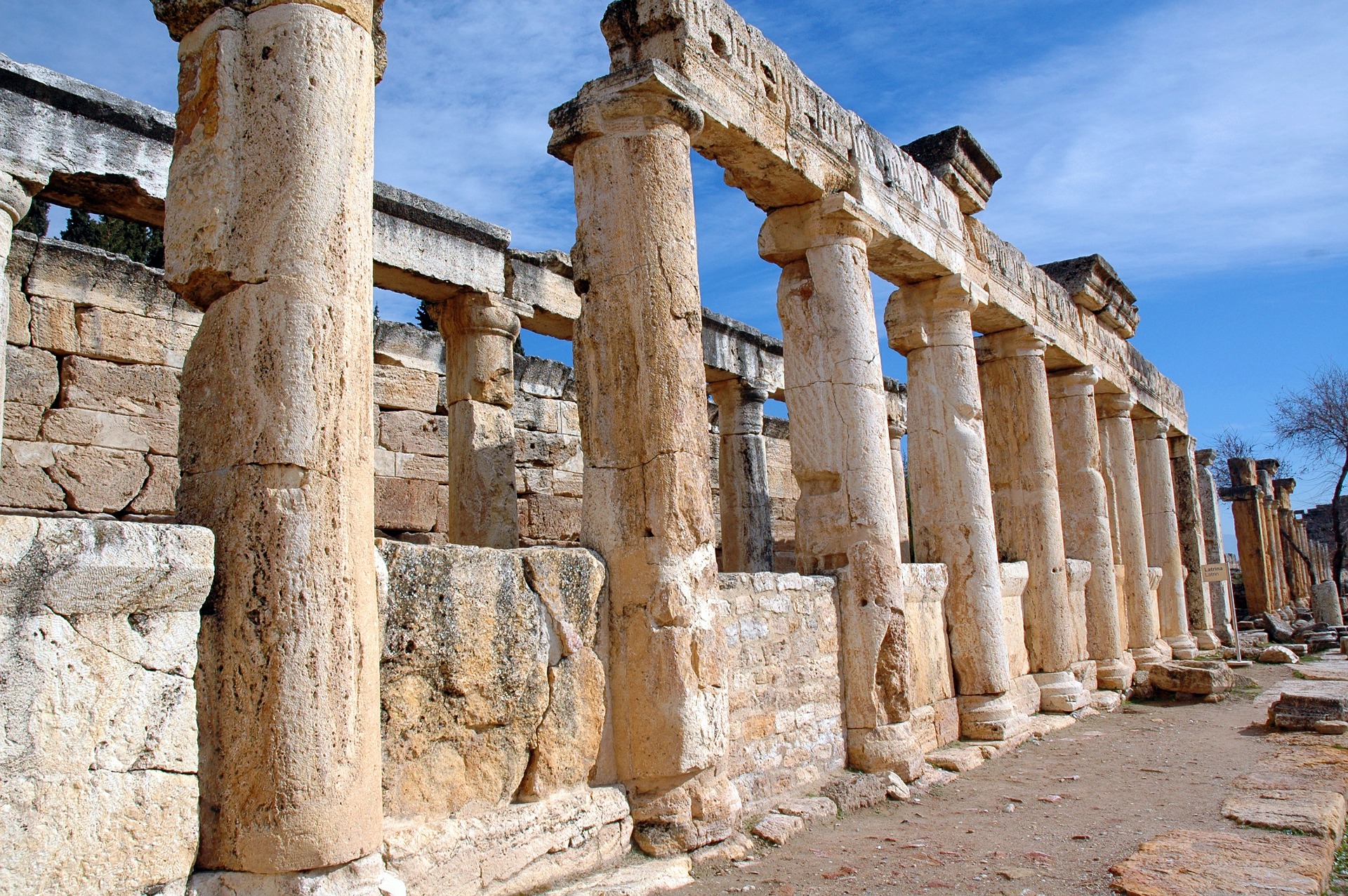
  • Hierapolis: Explore the extensive ruins, including the vast Necropolis (one of the largest in Turkey), the well-preserved Roman Theatre, the Frontinus Street, the Antique Pool (where you can swim among ancient columns), and the Martyrium of St. Philip.


Essential Visitor Information & Entrance Fees (2024)


Fees are subject to change and are typically listed in Turkish Lira (TL). Purchasing the Muze Kart (Museum Pass Aegean Region) is highly cost-effective if you plan to visit multiple sites over a week.


Current Entrance Fees (Approximate)


  • Aphrodisias: 12 euro. Includes access to the archaeological site and the excellent on-site museum.

  • Kaklık Cave: ~5 euro. A modest fee for this unique geological site.

  • Laodicea: 12 euro Covers the entire sprawling archaeological site.

  • Pamukkale & Hierapolis: 30 euro This single ticket grants access to both the travertine terraces and the ruins of Hierapolis. The Antique Pool (Cleopatra's Pool) has an additional separate entrance fee (8 euro around 10 euros).after under construction


Important Note: Always check the official Turkish Ministry of Culture and Tourism website for the most up-to-date pricing before your visit.


Planning Your Itinerary


These sites are within a 1-2 hour drive of each other, making Denizli an ideal base. A recommended 2-3 day itinerary could be:


  • Day 1: Morning at Pamukkale/Hierapolis, afternoon at Kaklık Cave.

  • Day 2: Full day at Aphrodisias (it's larger and further afield).

  • Day 3: Explore Laodicea in the morning before departure.


Each site offers a distinct chapter in the story of human civilization and natural history, creating a profoundly rich and varied travel experience in the heart of ancient Anatolia.


Blog'a Dön