
Hierapolis'ın Gizemli Mirası: Cehennem Kapısı'ndan Aziz Philip'in Mezarı'na
Güneybatı Türkiye'nin kalbinde yer alan Pamukkale, göz alıcı beyaz traverten terasları ve termal sularıyla dünya çapında ünlüdür. Ancak doğal güzelliğinin ötesinde derin bir ruhsal ve gizemli geçmiş yatmaktadır. Hierapolis'teki bir yolculuk, sizi antik dünyanın en korkulan yerlerinden biri olan Cehennem Kapısı'ndan, Hristiyan tarihinin en kutsal yerlerinden birine götürür.
Antik Dünyanın Kâbusu: Plutonium (Cehennem Kapısı)
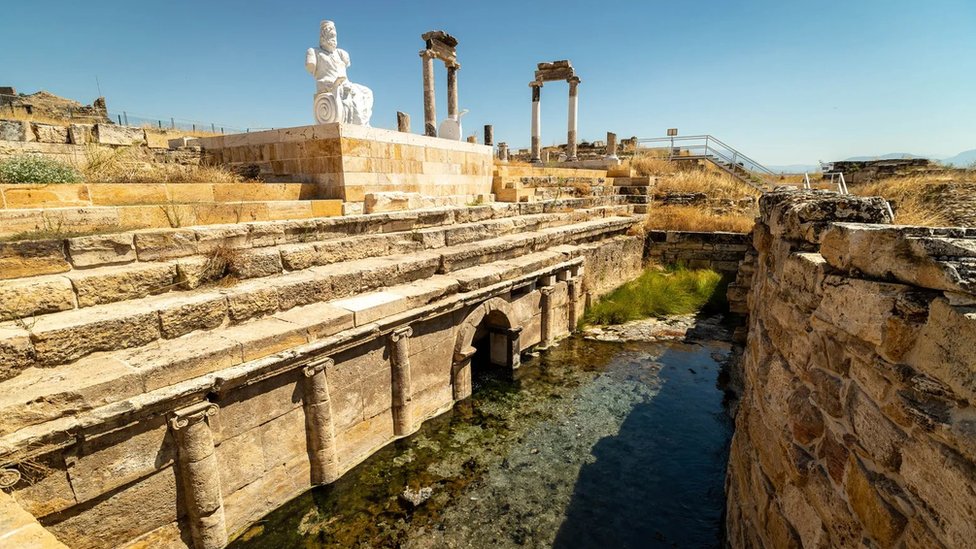
Hierapolis'teki en etkileyici ve aynı zamanda ürkütücü yerlerden biri, “Cehennem Kapısı” olarak bilinen Plutonium'dur. Antik çağlarda bu mağaranın, Hades'in (Roma mitolojisinde Pluto) hüküm sürdüğü yeraltı dünyasının girişi olduğuna inanılıyordu.
Mağaradan doğal olarak çıkan toksik karbondioksit gazı, çok yakına yaklaşan hayvanları ve hatta insanları anında öldürebiliyordu. Tapınak rahipleri, en yoğun gaz ceplerinden kaçınmayı bilerek, zarar görmeden bu alana girmeleriyle “ilahi güçlerini” gösterirlerdi. Bu ürkütücü fenomen, antik ziyaretçileri buranın gerçekten yeraltı dünyasının kapısı olduğuna ikna etti.
Bugün hala, antik Hierapolis tiyatrosuna yakın konumda bulunan bu gizemli yeri ziyaret edebilir ve bir zamanlar korkulan bu kutsal alanın kalıntılarını görebilirsiniz.
İnancın Zirvesi: Aziz Philip'in Martyrium'u ve Mezarı
Pagan inançlardan uzaklaşırken, şehrin yüksek kısımlarına doğru tırmanırken atmosfer dramatik bir şekilde değişiyor. İşte, İsa Mesih'in on iki havarisinden biri olan Aziz Philip'e adanmış kutsal alan yer alıyor.
Aziz Philip, M.S. 80 civarında Hierapolis'te şehit edilmiştir. Yüzyıllar boyunca, mezarının tam yeri bilinmemiştir. Ancak 2011'de yapılan arkeolojik kazılar, hem mezarını hem de onuruna inşa edilen Martyrium'u ortaya çıkarmıştır.
Peki, Aziz Philip'in mezarı tam olarak nerede? Antik tiyatronun üstündeki Hierapolis'in kuzeydoğusundaki bir tepeye yerleştirilmiştir. Tırmanış biraz çaba gerektirse de, Pamukkale'nin panoramik manzaraları ve bu yerin ruhsal önemi tamamen buna değiyor.
Pamukkale'yi Yerel Gibi Keşfetmek İçin Pratik İpuçları
Ziyaretinizden en iyi şekilde yararlanmak için işte bazı önemli ipuçları:
1. Travertenlerde Ayakla Yürüyün
Pamukkale'nin teraslarının hassas yapısını korumak için, ayakkabılarla yürümek kesinlikle yasaktır. Ayakkabılarınızı rahatça taşıyabilmek için küçük bir çanta getirin.
2. Yemeklerinizi Akıllıca Planlayın
Pamukkale, tek giriş bilet sistemi ile çalışmaktadır. Bir kez çıkış yaptıktan sonra, yeniden giriş için yeni bir bilet gereklidir. İçerideki yiyecek seçenekleri sınırlı olduğu için, önceden yemek yemek veya hafif atıştırmalıklar getirmek en iyisidir.
3. Hava Koşullarına Hazırlıklı Olun
Bölge, özellikle kış aylarında yağışlı olabilir. Dışarıda çoğu zaman geçireceğiniz için, şemsiye veya yağmurluk taşımanız şiddetle tavsiye edilir.
4. Kolay Ulaşım İçin Buggy Araçlar
Hierapolis oldukça geniştir. Uzun mesafeler yürümek istemiyorsanız, alanda mevcut olan elektrikli buggy araçları kiralayabilirsiniz; bu, yaşlı ziyaretçiler veya hareket kısıtlılığı olanlar için idealdir.
5. Cleopatra'nın Havuzunu Unutmayın
Ünlü Cleopatra Havuzu'nda yüzmeyi planlıyorsanız, kendi havlunuzu getirmek zaman kazandırır, kiralama imkanı olmasına rağmen.
Uzmanlarla Pamukkale'yi Keşfedin
Hierapolis, mitolojik gizem ve ruhsal mirasın nadir bir birleşimini sunmaktadır. Cehennem Kapısı'nın ölümcül gazlarından, Aziz Philip'in huzurlu sığınağına kadar her köşe bir hikaye anlatıyor.
Bu eşsiz destinasyonu uzman rehberlik, özenle hazırlanmış deneyimler ve sorunsuz planlama ile keşfetmek istiyorsanız, pamukkaledailytour.com adresini ziyaret edin. Kültürel turlardan, sıcak hava balonu gezilerine veya özel gezilere kadar, Pamukkale'yi daha önce hiç olmadığı gibi keşfetmenin kapısıdır.