
Pamukkale Travel Guide: 5 Essential Tips for the Cotton Castle
Introduction: A Natural Wonder in Turkey
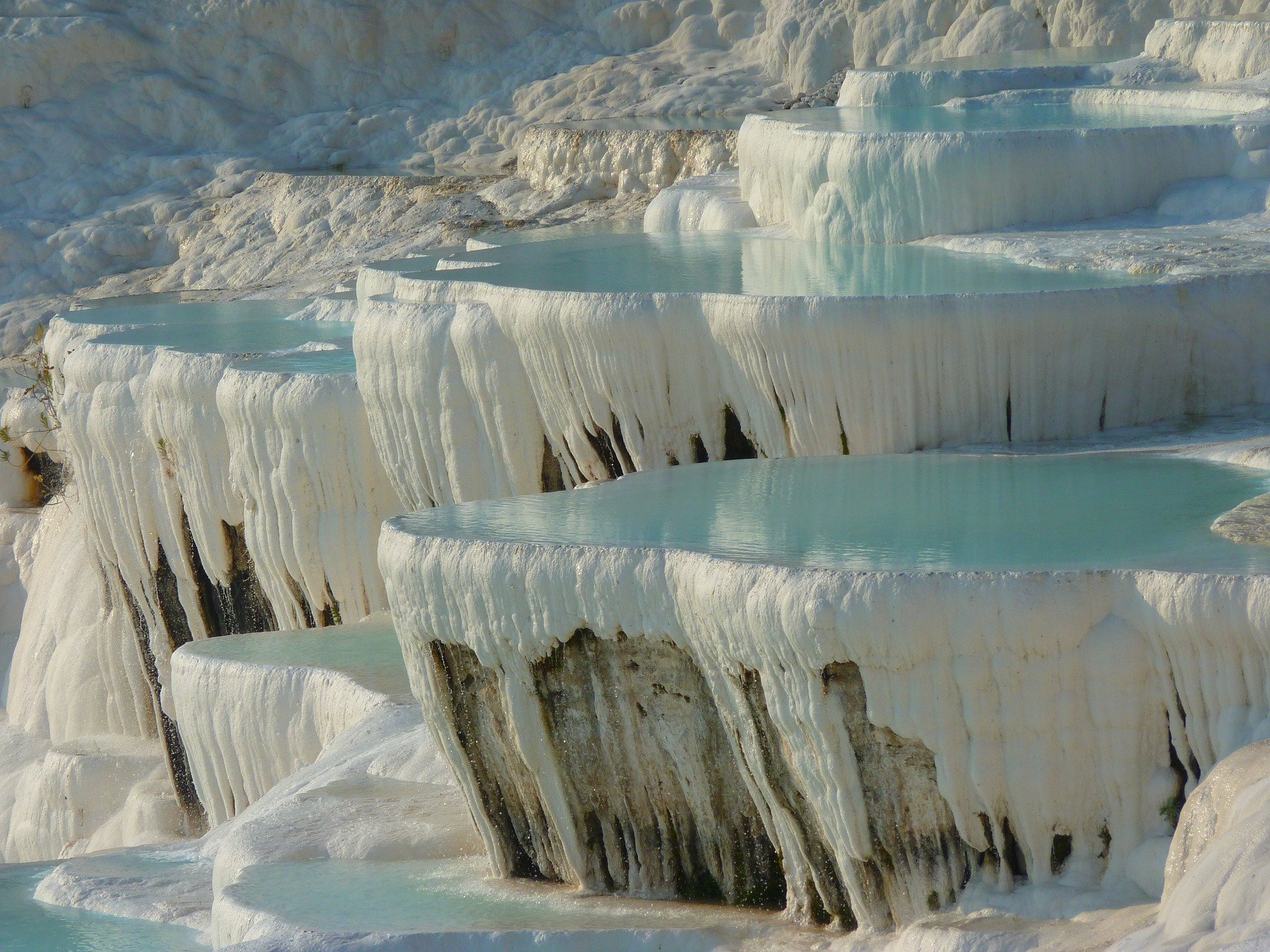
Pamukkale, meaning "Cotton Castle" in Turkish, is one of the world's most surreal and breathtaking natural landscapes. These gleaming white travertine terraces, filled with thermal waters, cascade down a hillside in southwestern Turkey, creating a vision that seems plucked from a dream. A UNESCO World Heritage Site since 1988, Pamukkale is also home to the ancient Greco-Roman city of Hierapolis. While the photos are stunning, a visit requires some planning. Here are the five most important things you need to know before you go.
1. Timing is Everything: When to Visit and How to Avoid the Crowds
The experience of Pamukkale can vary dramatically depending on when you arrive. The site is perennially popular, but strategic timing can make your visit magical instead of manic.
Best Time of Year
Spring (April to early June) and Autumn (September to October) offer the ideal balance. The weather is pleasantly warm for walking the terraces and swimming in the Antique Pool, and the crowds are thinner than in peak summer. Winter can be cold, but the sight of the steaming terraces against a crisp sky is uniquely beautiful, and you'll have the place largely to yourself.
Best Time of Day
This is the most crucial tip: Arrive at opening time (typically 6:30 AM) or visit in the late afternoon, a few hours before sunset. Midday, especially from 10 AM to 3 PM, sees an influx of large tour groups from coastal resorts. An early start guarantees softer light for photography, cooler temperatures for walking barefoot on the hot travertine, and a serene, almost private experience.
2. The Rules of the Terraces: Protecting a Fragile Wonder
Pamukkale is not an amusement park; it's a delicate geological formation. Strict preservation rules are in place, and respecting them is non-negotiable for the site's survival.
Barefoot Only
You must remove your shoes to walk on the travertine terraces. The calcium deposits are soft and can be easily damaged or discolored by footwear. It's a unique sensation, walking on the smooth, warm, textured rock. Be prepared—the white surface can be blindingly bright and surprisingly hot under the midday sun, another reason to visit early or late.
Stick to the Paths
Only walk in the designated shallow water channels. Climbing on the dry terraces or straying from the marked paths causes erosion and damage. The water flow is carefully managed to allow the terraces to regenerate, so your cooperation is vital.
3. More Than Just Pools: Exploring Hierapolis
Many visitors focus solely on the travertines, but your entry ticket grants access to the sprawling ruins of Hierapolis, an ancient spa city founded around 190 BC. Allocate at least 2-3 hours to explore this fascinating archaeological site.
Must-See Highlights in Hierapolis:
- The Antique Pool (Cleopatra's Pool): For an additional fee, you can swim among submerged Roman columns in this warm, mineral-rich spring. It's a truly unforgettable experience.
- The Theatre: One of the best-preserved Roman theatres in the world, with stunning views over the valley.
- The Necropolis: One of the largest ancient cemeteries in Turkey, with over 1,200 tombs lining the old entrance road.
- The Archaeological Museum: Housed in the old Roman baths, it displays artifacts excavated from Hierapolis.
4. Practical Logistics: Tickets, Access, and What to Bring
A little preparation goes a long way in ensuring a comfortable and enjoyable day.
Tickets and Entry
There is one main entrance at the bottom of the terraces and another near the top by the Hierapolis ruins. A single ticket covers both the travertines and Hierapolis (the Antique Pool is extra). Consider starting at the top entrance, exploring Hierapolis first in the morning cool, then walking down the terraces, finishing at the lower gate.
Essential Packing List:
- Swimwear & a Towel: For the Antique Pool or the terraces' shallow pools.
- Sun Protection: Hat, sunglasses, and high-SPF sunscreen. The white reflection intensifies the sun.
- Water Shoes (Optional but Recommended): The travertine can be uneven and slippery in places.
- Plastic Bag: To carry your footwear while walking on the terraces.
- Water Bottle: Stay hydrated; there are fountains near the top.
- Camera & a Dry Bag: To protect your electronics from water splashes.
5. Beyond the Main Site: Planning Your Trip
Pamukkale is located near the town of Denizli. Most visitors stay in the nearby village of Pamukkale or in the town of Karahayıt, known for its red thermal waters.
Getting There
Denizli has an airport with domestic flights. The most common routes are a 1-hour flight or a 3-4 hour bus ride from Istanbul, or a 3-hour bus ride from Izmir. From Denizli bus station, frequent minibuses (dolmuş) go to Pamukkale.
How Long to Stay
While a day trip is possible from coastal resorts like Bodrum or Kusadasi, it makes for a very long day (often 14+ hours). To fully appreciate Pamukkale and Hierapolis without rush, staying one night locally is highly recommended. This allows for that magical early morning or late evening visit.
Conclusion: A Journey Worth Planning
Pamukkale is a place that exceeds expectations. By knowing when to visit, respecting the preservation rules, exploring beyond the obvious, packing smartly, and planning your logistics, you transform your trip from a simple photo stop into a profound and comfortable experience. This natural marvel has endured for millennia; with mindful travel, it will continue to dazzle visitors for generations to come. Prepare well, and prepare to be amazed.