
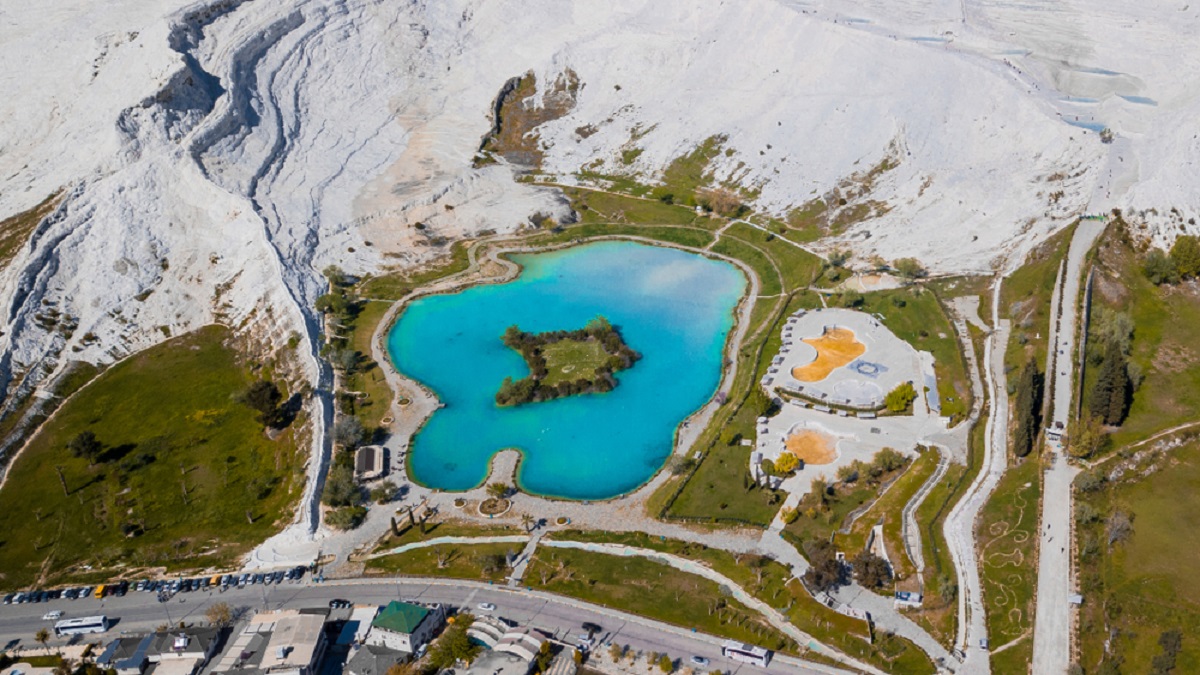
Pamukkale's Perfect Season: Your Ultimate Guide to the Best Time to Visit
Introduction: Timing Your Trip to the Cotton Castle
Pamukkale, Turkey's breathtaking "Cotton Castle," is a year-round destination, but your experience can vary dramatically depending on when you visit. Choosing the ideal time is about balancing comfortable weather, manageable crowds, and the magical interplay of light on the dazzling white travertine terraces. This comprehensive guide breaks down the seasons, months, and even times of day to help you plan your perfect Pamukkale adventure.
Seasonal Breakdown: When to Visit Pamukkale
Spring (April to Early June): The Prime Time
Spring is widely considered the absolute best time to visit Pamukkale. The weather is glorious—warm and sunny without the intense summer heat. Daytime temperatures range from a pleasant 20°C to 28°C (68°F to 82°F), perfect for walking barefoot on the warm travertines and swimming in the ancient Cleopatra's Pool. The surrounding countryside is lush and green, and wildflowers add a splash of color to the landscape. Crowds are present but not at their peak summer levels.
- Pros: Ideal temperatures, vibrant scenery, good swimming conditions.
- Cons: Can be busy, especially during Turkish national holidays.
Autumn (Late September to October): A Close Second
Autumn rivals spring for the top spot. The scorching summer heat has dissipated, leaving behind warm, sunny days and cool, comfortable evenings. The water in the terraces remains inviting, and the light in October is particularly soft and beautiful for photography. Tourist numbers drop significantly after September, offering a more tranquil experience.
- Pros: Pleasant weather, thinner crowds, beautiful golden-hour light.
- Cons: Shorter daylight hours towards late October.
Summer (July to August): Peak Heat & Crowds
Summer is the most popular and most challenging time to visit. Expect intense heat, with temperatures often soaring above 35°C (95°F). The travertines can become extremely hot underfoot in the midday sun. This is also peak tourist season, meaning large crowds at the terraces and the ancient city of Hierapolis. If you visit in summer, strategy is key: arrive at opening time or late afternoon.
- Pros: Long daylight hours, guaranteed warm swimming.
- Cons: Overwhelming crowds, extreme heat, higher prices.
Winter (November to March): The Quiet Contender
Winter offers a completely different, serene experience. Crowds are minimal, and you might have sections of the travertines almost to yourself. The sight of the white terraces against a crisp blue sky or even a dusting of snow on the surrounding hills is unforgettable. However, the weather is cold, and some pools may have reduced water flow. The water in the main antique pool is thermally heated and open year-round.
- Pros: No crowds, lower prices, unique photographic opportunities.
- Cons: Cold air temperatures, possible rain, some areas may be closed for maintenance.
Monthly Highlights & Considerations
April & May: Near-perfect conditions. Aim for late April to avoid the Easter/Şeker Bayramı rush.
June: Start of summer heat but still manageable early in the month.
September: Early September is still summer-like; late September is ideal.
October: Arguably the best month for comfort and atmosphere.
December-February: The quietest months. Pack warm layers and check for winter opening hours.
Pro Tips for the Best Experience
Time of Day Matters
Regardless of the season, visit early in the morning (right at 6:30 AM opening) or late in the afternoon (after 3 PM). You'll avoid the biggest tour groups, experience softer light for stunning photos, and in summer, escape the worst of the heat. Sunset over the travertines is a magical spectacle.
What to Pack
- Essential: Swimwear, a large bag for shoes (you must walk barefoot on the travertines), sunscreen, a hat, and sunglasses.
- Spring/Autumn: A light jacket for cooler mornings/evenings.
- Summer: Extra water, a sun umbrella or scarf.
- Winter: Warm, layered clothing, a waterproof jacket, and sturdy, easy-to-remove shoes.
Conclusion: Your Perfect Time Awaits
The "best" time to visit Pamukkale ultimately depends on your priorities. For a balance of great weather and manageable crowds, target the shoulder seasons of April-May or late September-October. For solitude and a unique perspective, embrace the crisp air of winter. If summer is your only option, plan strategically with early mornings. Whenever you choose to go, the surreal beauty of Pamukkale's calcium-rich pools and the fascinating ruins of Hierapolis promise an unforgettable journey into one of Turkey's most iconic landscapes.