
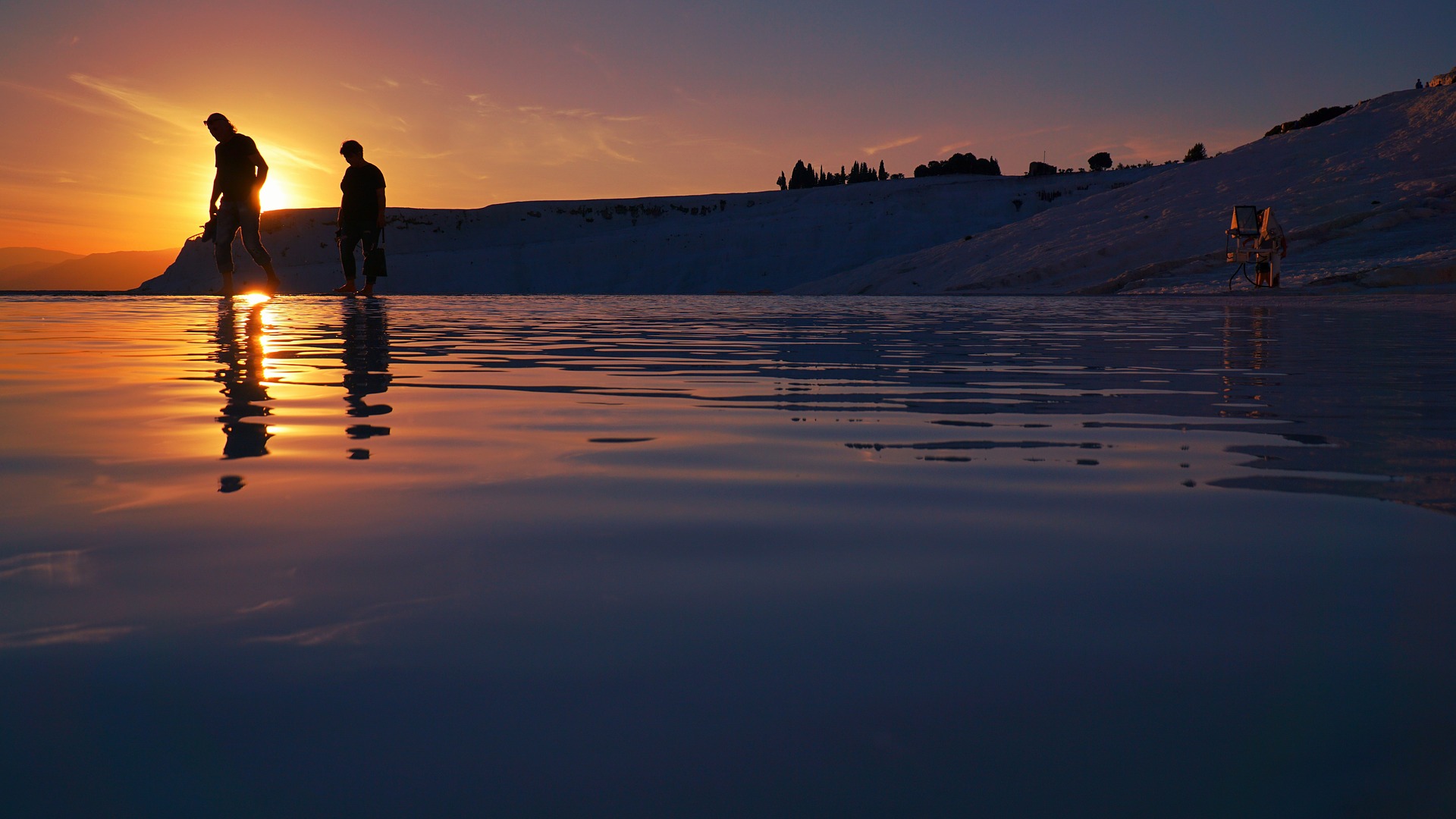
Pamukkale After Dark: 10 Magical Things to Do at Night
Discover the Nighttime Magic of the Cotton Castle
While Pamukkale's dazzling white travertines are a world-famous daytime spectacle, the ancient city of Hierapolis and its thermal wonders transform into an ethereal, magical realm after sunset. Visiting Pamukkale at night offers a completely different, often more serene and atmospheric experience. The crowds thin, the temperatures become pleasant, and the landscape is bathed in subtle, dramatic lighting. From moonlit thermal pools to starlit ancient ruins, here is your definitive guide to the best things to do in Pamukkale when the sun goes down.
Top Nighttime Activities in Pamukkale
1. Witness the Illuminated Travertines
The iconic white terraces of Pamukkale are spectacularly lit after dark. While you cannot walk on the main travertine pools at night (to protect the formations), you can view them from designated pathways and viewpoints. The soft, golden lighting creates a stunning contrast against the dark sky, making the calcium-rich pools look like a cascading, frozen waterfall or a celestial staircase. It's a prime opportunity for breathtaking, crowd-free photography.
2. Soak in the Cleopatra Antique Pool Under the Stars
The famous Antique Pool (Cleopatra's Pool) within the Hierapolis archaeological site often has extended evening hours. Floating in the warm, mineral-rich waters amidst submerged Roman columns, with the starry sky above, is an unforgettable experience. The water remains a constant 36°C (97°F), providing a blissfully warm soak as the night air cools. It's both historically immersive and deeply relaxing.
3. Experience the Hierapolis Night Museum
Check ahead for special night openings of the Hierapolis Archaeology Museum. Housed in the former Roman baths, the museum's collection of sarcophagi, statues, and artifacts from Hierapolis, Laodicea, and Colossae takes on a new gravitas when explored in the evening. The atmospheric lighting enhances the sense of walking through history.
4. Enjoy a Romantic Dinner with a View
Several restaurants in Pamukkale town and nearby Karahayıt offer rooftop or terrace dining with direct views of the illuminated travertines. Enjoying a traditional Turkish meal—featuring local specialties like gözleme, kebabs, and meze—while the white cliffs glow in the distance is the perfect way to cap off an evening. Look for establishments with "Pamukkale view" in their name or description.
5. Stargaze from the Ancient Theatre
The magnificently preserved Roman Theatre of Hierapolis, with seating for 15,000, is awe-inspiring by day. At night, it becomes a powerful, silent amphitheater facing the cosmos. On clear nights, with minimal light pollution, the star-gazing is phenomenal. Sit on the ancient stone seats and contemplate the same sky watched by Romans nearly two millennia ago.
6. Take a Moonlit Walk Through the Necropolis
One of the largest ancient cemeteries in Anatolia, the Necropolis of Hierapolis stretches for nearly two kilometers. A guided or carefully planned walk here at dusk or under a full moon is a uniquely atmospheric (and slightly spooky) experience. The myriad tombs, sarcophagi, and house-shaped monuments tell silent stories of the city's past inhabitants.
7. Relax in a Thermal Hotel Pool
Many hotels in Pamukkale and the adjacent red-water district of Karahayıt feature thermal pools fed by the same hot springs. Spending an evening alternating between a warm thermal pool and a cool plunge under the night sky is a quintessential Pamukkale luxury. It's a more private and accessible alternative to the public antique pool.
8. Savor Turkish Night Shows & Local Hospitality
Some larger hotels and cultural centers offer "Turkish Night" shows featuring traditional folk music, mesmerizing whirling dervish performances, and belly dancing. It's a lively way to immerse yourself in local culture. Alternatively, visit a local çay bahçesi (tea garden) for a more authentic, low-key evening of conversation and Turkish tea or coffee.
9. Capture the Blue Hour at Pamukkale
The period just after sunset, known as the blue hour, paints the travertines and the sky in deep shades of blue and purple. This is a photographer's golden moment. The fading natural light combined with the artificial illumination creates a surreal, painterly quality over the entire landscape that lasts for only a short, magical window of time.
10. Explore the Vibrant Pamukkale Town Center
When the day-trippers depart, the town of Pamukkale itself settles into a more local rhythm. Stroll through the main street, browse the shops for souvenirs like local textiles and travertine stone carvings, and enjoy a leisurely dessert of baklava or künefe at a local pastry shop. It's a chance to see the everyday life that continues in the shadow of the UNESCO World Heritage site.
Essential Tips for Your Night Visit
- Check Opening Hours: The archaeological site's night opening hours vary by season. Always verify current times for the travertine viewing areas, Cleopatra's Pool, and the museum before you go.
- Wear Proper Footwear: Paths can be slippery and uneven. Sturdy, non-slip shoes are essential for safe nighttime exploration.
- Respect the Rules: Staying on marked paths is crucial at night to protect the fragile travertines and for your own safety.
- Dress in Layers: Evenings can be cool, especially outside the thermal waters. Bring a light jacket or sweater.
- Consider a Guided Tour: A knowledgeable guide can enhance the experience with historical context and ensure you see the best-lit spots safely.
Pamukkale at night is not merely an alternative to a daytime visit; it's a complementary experience that reveals the soul of this ancient thermal landscape. It trades the brilliant white spectacle of day for an intimate, dramatic, and profoundly peaceful encounter with history and nature. By extending your stay into the evening hours, you unlock a deeper, more memorable layer of the "Cotton Castle's" enduring magic.