
Healing Waters of Turkey: A Guide to Health Tourism in Pamukkale & Karahayıt
Introduction to Turkey's Thermal Paradise
Nestled in the picturesque Denizli Province of southwestern Turkey, the neighboring regions of Pamukkale and Karahayıt form one of the world's most unique and sought-after destinations for health and wellness tourism. Far more than just stunning visual wonders, these sites offer a profound therapeutic experience, drawing visitors for millennia to bathe in their mineral-rich, geothermal waters. This guide explores why this ancient healing center remains a top choice for modern health travelers seeking natural rejuvenation.
Pamukkale: The Cotton Castle's Healing Travertines
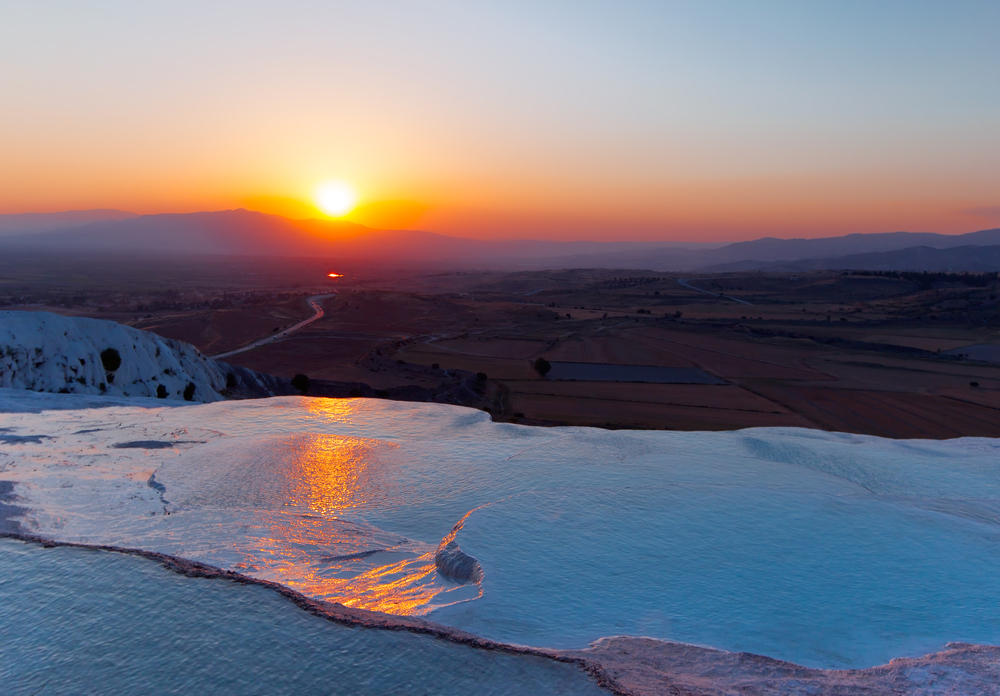
Pamukkale, meaning "Cotton Castle" in Turkish, is a UNESCO World Heritage Site famed for its dazzling white travertine terraces. Formed over millennia by the flow of calcium-rich thermal waters, these terraces are not only breathtaking but also the source of the area's primary healing waters.
Therapeutic Properties of Pamukkale's Waters
The thermal springs of Pamukkale are hyper-thermal, with water temperatures ranging from 35°C to 100°C (95°F to 212°F). The water is rich in calcium, bicarbonate, and magnesium. Historically and scientifically, these waters are known to aid in:
- Rheumatic and Musculoskeletal Disorders: Soaking in the warm, buoyant water can relieve pain, reduce inflammation, and improve mobility for conditions like arthritis and fibromyalgia.
- Circulatory and Cardiovascular Health: The minerals and heat help stimulate blood circulation and can assist in regulating blood pressure.
- Skin Conditions: The high mineral content, particularly calcium, is believed to be beneficial for psoriasis, eczema, and general skin rejuvenation.
- Stress and Mental Well-being: The serene environment combined with the relaxing properties of thermal bathing promotes deep relaxation and stress relief.
The most famous bathing spot is the Antique Pool (Cleopatra's Pool), where you can swim amongst submerged Roman columns in warm, effervescent water.
Karahayıt: The Red Waters for Intensive Therapy
Just 5 km north of Pamukkale lies Karahayıt, often called the "Red Pamukkale." Its waters are distinct, flowing over red travertines due to high iron oxide content. The springs here are hotter and richer in specific minerals, offering a different therapeutic profile.
Unique Benefits of Karahayıt's Thermal Springs
Karahayıt's waters are renowned for their higher temperature and unique mineral composition, including iron, sulfur, and radon. These are particularly recommended for:
- Intensive Rheumatic Treatment: The hotter temperatures and specific mineral blend provide deeper muscular and joint relief.
- Metabolic and Endocrine Support: The waters are traditionally used to support metabolic function.
- Detoxification: The sulfur content aids in cleansing and detoxifying the body.
Karahayıt has evolved into a hub for modern thermal rehabilitation centers and spa hotels, where medical supervision is often available alongside traditional bathing.
Planning Your Health Tourism Trip
Best Time to Visit
The ideal times for a health-focused visit are during the shoulder seasons of April-May and September-October. The weather is mild, perfect for alternating between hot springs and cool air, and the sites are less crowded than in peak summer.
Accommodation & Facilities
Both areas offer a range of options, from budget-friendly guesthouses to luxury thermal spa hotels with private spring access and on-site medical consultation. For a dedicated health retreat, consider staying at a specialized hotel in Karahayıt with treatment packages.
Combining Wellness with Culture
No visit is complete without exploring the ancient city of Hierapolis, which sits atop Pamukkale. This vast Greco-Roman spa city, with its necropolis, theater, and temples, provides a fascinating historical context to your wellness journey, highlighting the timeless human pursuit of health.
Essential Tips for Health Travelers
- Consult Your Doctor: Before undertaking any thermal cure, especially if you have cardiovascular issues, are pregnant, or have a chronic illness.
- Hydrate: Thermal bathing can be dehydrating. Drink plenty of water before and after your soak.
- Limit Soak Times: Start with shorter baths (15-20 minutes) and gradually increase to avoid dizziness.
- Protect the Travertines: When walking on Pamukkale's terraces, use the designated paths and go barefoot to preserve the delicate formations.
- Consider a Multi-Day Stay: The therapeutic benefits of balneotherapy are cumulative. A stay of 7-14 days is often recommended for lasting effects.
Conclusion: A Timeless Journey to Well-being
Health tourism in Pamukkale and Karahayıt offers a rare synergy of natural wonder, ancient history, and proven therapeutic practice. It’s a destination where healing is woven into the very landscape. Whether you seek relief from a specific ailment, a detoxifying retreat, or simply a profound sense of relaxation, the mineral-rich waters of Turkey's Cotton Castle and its red-hued neighbor provide a restorative experience for both body and soul.