
The Ultimate Guide: When is the Best Time to Visit Pamukkale?
Pamukkale, Turkey's "Cotton Castle," is a surreal landscape of brilliant white travertine terraces filled with thermal waters. Choosing the right time to visit is crucial to experience its magic without the drawbacks of extreme weather or overwhelming crowds. This guide breaks down the seasons, months, and even times of day to help you plan your perfect trip to this UNESCO World Heritage site.
Pamukkale's Seasons at a Glance
Pamukkale experiences a continental climate with hot, dry summers and cool, wet winters. Your ideal time depends largely on your tolerance for heat, preference for crowd levels, and desire to swim in the ancient Cleopatra's Pool.
Spring (April to Early June): The Sweet Spot
Spring is widely considered the absolute best time to visit Pamukkale. The weather is pleasantly warm, with daytime temperatures ranging from 20°C to 28°C (68°F to 82°F). The surrounding hills are green and dotted with wildflowers, creating a stunning contrast with the white terraces.
- Crowds: Moderate. It's busier than winter but far less crowded than peak summer.
- Weather: Ideal for walking barefoot on the travertines and exploring the ruins of Hierapolis.
- Swimming: The thermal pools are refreshingly cool, not cold.
- Tip: Visit in late April or May to avoid the early spring rains.
Summer (Late June to August): Peak Heat & Crowds
Summer offers long, sunny days but brings intense heat and the highest number of visitors. Daytime temperatures frequently soar above 35°C (95°F).
- Crowds: Very high. Expect queues and crowded terraces, especially mid-day.
- Weather: Extremely hot and dry. The white limestone reflects intense sunlight.
- Swimming: The pools feel wonderfully cool, but the sun exposure is severe.
- Tip: If you visit in summer, go at sunrise or late afternoon. Always wear a hat, sunscreen, and carry ample water.
Autumn (September to October): A Close Second
Autumn is another excellent choice, mirroring the advantages of spring. The summer heat dissipates, crowds thin out, and the light is beautiful for photography.
- Crowds: Moderate to low, especially in October.
- Weather: Warm and comfortable, similar to spring.
- Swimming: The water remains warm enough for a comfortable dip.
- Tip: September can still be quite warm; October offers near-perfect conditions.
Winter (November to March): The Quiet Contender
Winter is the off-season. You'll have the terraces largely to yourself, but with some trade-offs.
- Crowds: Very low. Enjoy a peaceful, almost private experience.
- Weather: Cool and rainy. Daytime temps range from 5°C to 15°C (41°F to 59°F). It can be misty and moody.
- Swimming: Cleopatra's Pool is heated year-round (36°C/97°F), making a winter swim unique. However, the main travertine terraces are often filled with less water and can be chilly to walk on.
- Tip: Pack warm, waterproof layers. Check opening hours, as they may be reduced.
The Best Time of Day to Visit Pamukkale
Regardless of the season, timing your entry is key.
Sunrise: For the Ultimate Experience
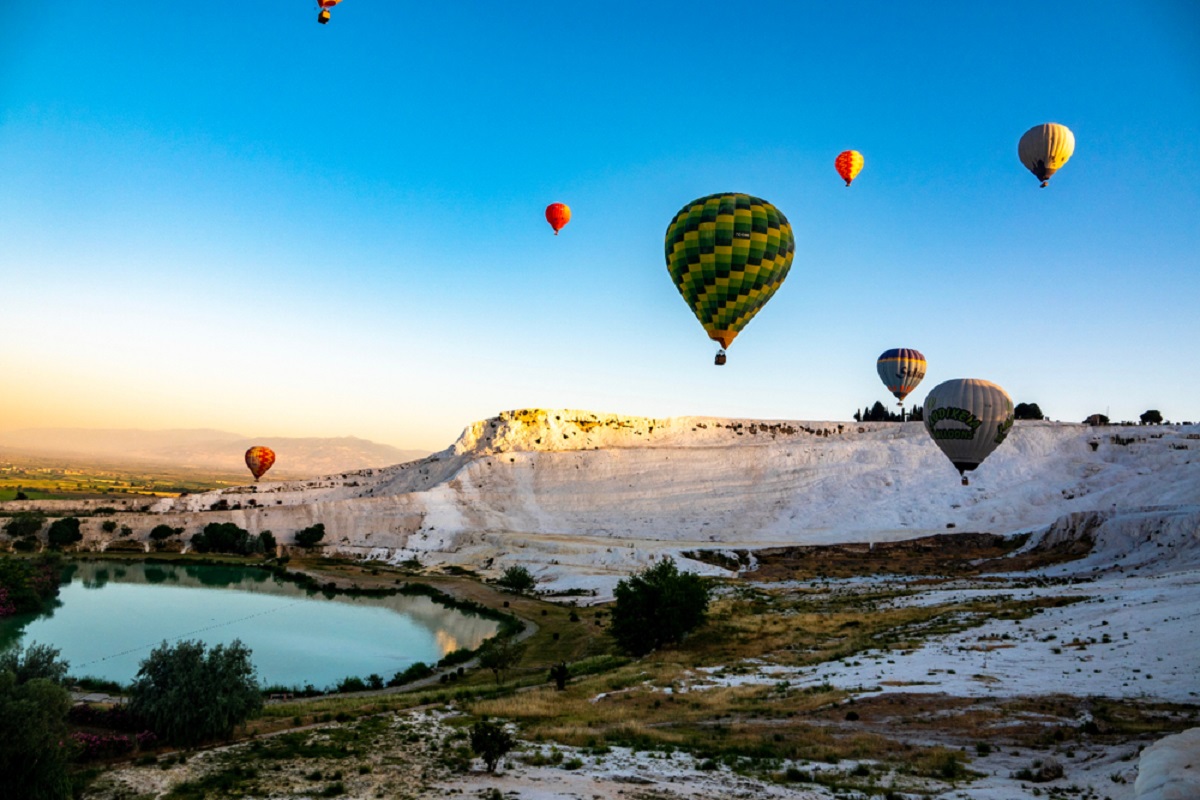
Entering at opening time (often 6:30 AM) is the single best piece of advice. You'll witness the terraces turn pink and gold in the morning light, enjoy cool temperatures, and have the iconic pools almost to yourself for about an hour. The light is perfect for photography without harsh shadows.
Late Afternoon: For Golden Hour Magic
The hours before sunset (3 PM onwards) are also spectacular. The crowds from day-tripper tours start to leave, and the setting sun casts a warm, golden glow over the white landscape. It’s a magical time for photos and a more relaxed atmosphere.
Midday: What to Avoid
Between 11 AM and 3 PM, the site is at its busiest and hottest. The sun is directly overhead, creating harsh lighting for photos and making the travertine hot underfoot. This is the least recommended time to visit.
Monthly Breakdown & Special Considerations
- April-May & September-October: The overall winners for balancing weather, crowds, and experience.
- July-August: Only visit if you can tolerate extreme heat and crowds. Prioritize early mornings.
- December-February: For solitude seekers and photographers who don't mind cool, damp conditions.
- Holidays & Weekends: Avoid Turkish national holidays and weekends, when domestic tourism spikes.
Ultimately, the best time to visit Pamukkale is either spring or autumn, with an entry ticket for sunrise. This combination provides comfortable weather, manageable crowds, stunning light, and the serene, otherworldly experience that makes Pamukkale a wonder of the world. Plan ahead, book your tickets online if possible, and get ready to step into a landscape of dreams.